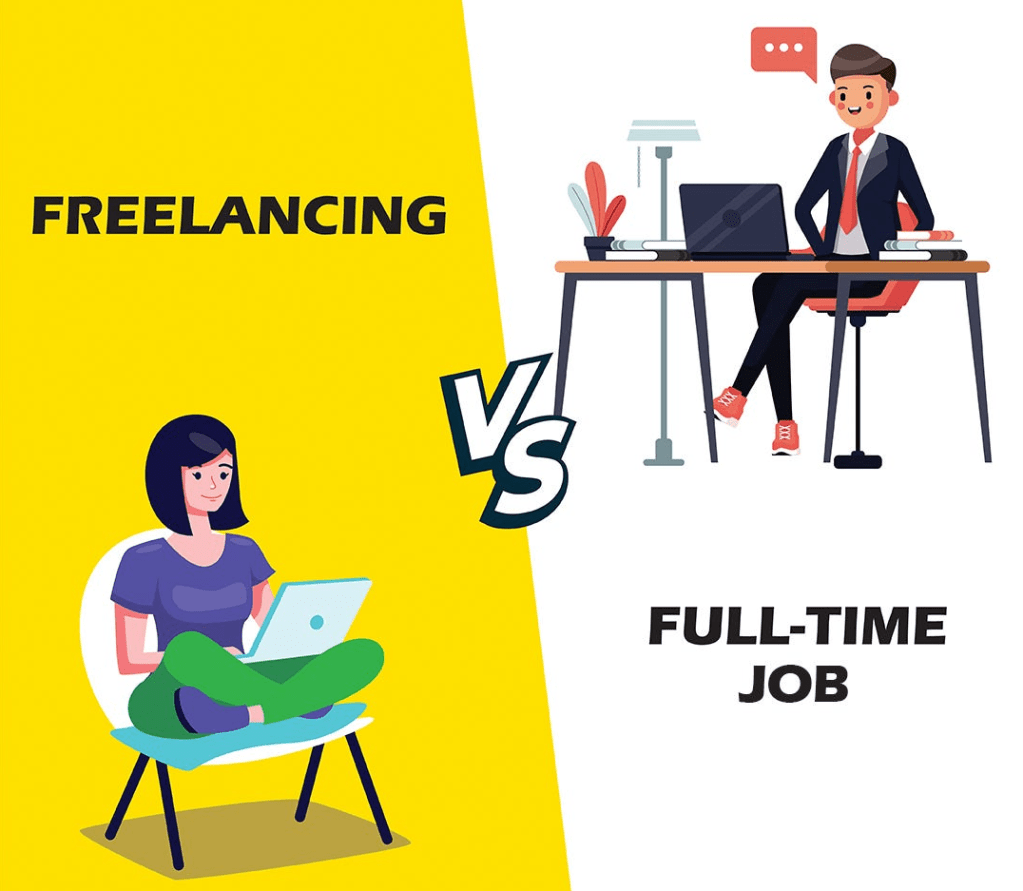
In recent years, there has been a significant shift in the working landscape. More and more people are turning to freelancing as a viable career option. Freelancing, which is essentially working for oneself, offers a lot of advantages, but it also comes with its own set of challenges. In this blog, we will explore the pros and cons of freelancing vs. traditional employment, helping you make an informed decision about which option is best for you. the blog is based on my experience and knowledge gathered from various sources and experiences and may have a difference of opinion from person to person.
Pros of Freelancing:
1. Flexibility: Freelancing offers a great deal of flexibility. You can work from anywhere, at any time, and choose the kind of work you want to do. This allows you to balance your work with your personal life, giving you more time and freedom to pursue other interests.
2. Increased Earning Potential: As a freelancer, you have the potential to earn more than you would in a traditional job. Freelancers can set their own rates, negotiate their own contracts, and take on as much work as they can handle. This means that if you are skilled and work hard, you can earn a lot more than you would in a salaried job.
3. Variety of work: As a freelancer, you have the opportunity to work on a range of projects with different clients. This can be exciting and challenging, as you get to learn new skills and work in different industries. It also means that you are less likely to get bored in your job.
Cons of Freelancing:
1. Unpredictable Income: One of the biggest challenges of freelancing is the unpredictable income. Unlike traditional jobs, where you receive a steady paycheck, freelancers can experience fluctuations in income depending on the amount of work they have. This can make budgeting and financial planning difficult.
2. No Benefits: Freelancers do not receive benefits such as health insurance, paid time off, or retirement plans. This means that you are responsible for your own insurance and retirement savings, which can be costly.
3. Lack of Stability: Freelancers do not have the same level of job security as traditional employees. You may not have a steady stream of work, and clients can terminate contracts at any time. This can make it difficult to plan for the future, especially if you have dependents.
Pros of Traditional Employment:
1. Stability: Traditional employment offers more job stability than freelancing. You can expect a steady paycheck, benefits, and a set number of hours per week. This can be comforting, especially if you have financial responsibilities or dependents.
2. Benefits: Traditional jobs come with benefits such as health insurance, paid time off, and retirement plans. This can save you money and provide peace of mind.
3. Professional Development: Traditional jobs often offer opportunities for professional development, such as training programs, mentorship, and career advancement. This can help you grow your skills and advance your career.
Cons of Traditional Employment:
1. Limited Flexibility: Traditional jobs often have rigid schedules and may require you to work in an office. This can make it difficult to balance your work with your personal life, especially if you have family responsibilities.
2. Limited Earning Potential: Traditional jobs often come with a fixed salary, which may not increase significantly over time. This means that your earning potential may be limited, even if you work hard and are skilled.
3. Limited Variety: Traditional jobs may not offer a lot of variety in terms of projects or clients. This can be boring and lead to burnout.
In conclusion, both freelancing and traditional employment have their pros and cons. Freelancing offers more flexibility and higher earning potential, but with less stability and job security. Traditional employment offers steady income, access to benefits, and job security, but with less flexibility and control over workload. Ultimately, the choice between freelancing and traditional employment will depend on your personal preferences and priorities.
So in a nutshell whatever you choose have a clear thought process and give it your best with a proper planned approach keeping in mind key aspects. I am sure you will be successful. I hope through this blog I was able to help address some of those queries that might be going in your mind…
 Mindful Musings
Great Read Can i leave my thoughts ?! –
Thanks for reading , Love The Blog !!
Please check out my new blog for all things Dog – http://www.pomeranianpuppies.uk
LikeLike