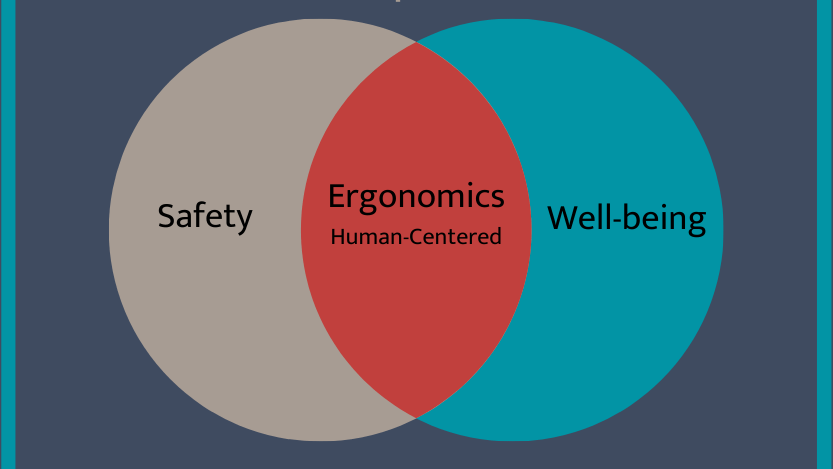
In recent years, there has been a growing awareness of the importance of office ergonomics in promoting employee well-being. Office ergonomics is the science of designing office environments and workstations to maximize productivity and minimize discomfort and injury. When employees work in an ergonomically designed office, they are likely to experience fewer physical and emotional problems, leading to increased job satisfaction and productivity.
Here are some of the ways that office ergonomics can impact employee well-being:
1. Reducing physical discomfort: A poorly designed workstation can result in physical discomfort, such as back pain, neck pain, and eyestrain. Ergonomic office furniture, such as adjustable chairs and desks, can help employees maintain proper posture and reduce the risk of musculoskeletal disorders.
2. Boosting productivity: Ergonomics can also enhance productivity by helping employees work more efficiently and comfortably. Ergonomic keyboards, mice, and other input devices can reduce the risk of repetitive strain injuries, while adjustable lighting and monitors can help reduce eye strain and fatigue.
3. Improving mental health: An office that is designed to promote employee well-being can also have a positive impact on mental health. Natural lighting, greenery, and comfortable seating can create a calming environment that promotes relaxation and reduces stress.
4. Reducing absenteeism: When employees are uncomfortable or in pain, they are more likely to take time off work. By providing an ergonomically designed office environment, employers can reduce absenteeism and ensure that their employees are healthy and productive.
5. Promoting employee engagement: When employees feel that their employer cares about their well-being, they are more likely to be engaged and committed to their work. By investing in office ergonomics, employers can demonstrate their commitment to their employees’ health and well-being, which can boost morale and improve retention rates.
In conclusion, office ergonomics has a significant impact on employee well-being. By designing workstations and office environments that promote comfort and productivity, employers can reduce physical discomfort, boost productivity, improve mental health, reduce absenteeism, and promote employee engagement. Investing in office ergonomics is a smart business decision that can benefit both employees and employers in the long run.
 Mindful Musings