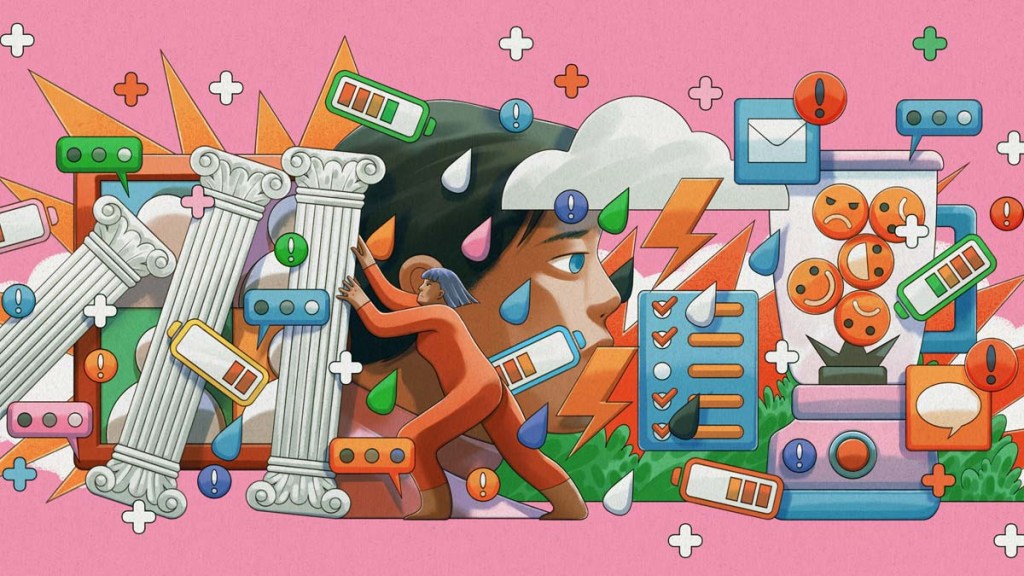
Stress is an unavoidable part of life. From juggling work and family responsibilities to facing unexpected challenges, all of us experience stress in various forms. While some stress can be beneficial, acting as a motivator to help us achieve our goals, chronic stress can have detrimental effects on both our mental and physical health. This blog will explore the consequences of stress on our well-being and discuss ways to manage stress effectively.
The Science Behind Stress
When faced with stress, our body activates the “fight or flight” response by releasing stress hormones such as adrenaline and cortisol. This response helps us cope with short-term stressors, enhancing our focus and energy to deal with the situation. However, prolonged exposure to stress can cause our stress response system to become overactive, leading to a range of health problems.
Effects of Stress on Mental Health
1. Anxiety and depression: Chronic stress often leads to feelings of anxiety and depression. The constant release of stress hormones can alter brain chemistry, affecting mood and increasing the risk of developing mental health disorders.
2. Insomnia: Stress can interfere with our ability to fall asleep and stay asleep, leading to insomnia. Lack of sleep can further exacerbate stress, creating a vicious cycle that can be difficult to break.
3. Decreased cognitive function: Long-term stress can impair our memory, concentration, and problem-solving abilities. This decline in cognitive function can make it harder to cope with everyday tasks and challenges, adding even more stress to our lives.
Effects of Stress on Physical Health
1. Cardiovascular issues: Chronic stress can contribute to high blood pressure, heart disease, and stroke by causing inflammation and damaging blood vessels. It also increases the risk of developing unhealthy habits, such as smoking and overeating, which can further exacerbate cardiovascular problems.
2. Weakened immune system: Prolonged stress can weaken the immune system, making us more susceptible to infections and illnesses. A weakened immune system can also prolong recovery time from sickness, adding to the overall burden of stress.
3. Gastrointestinal problems: Stress can negatively impact our digestive system, leading to problems such as irritable bowel syndrome, ulcers, and acid reflux. These issues can cause discomfort and pain, making it challenging to maintain a healthy lifestyle.
4. Weight gain: Chronic stress can lead to weight gain by causing hormonal imbalances that trigger overeating and cravings for unhealthy foods. Excess weight can contribute to a host of other health problems, such as diabetes and joint pain.
Managing Stress for Better Health
While it’s impossible to eliminate stress completely, there are strategies to help manage it effectively:
1. Practice mindfulness: Mindfulness techniques, such as meditation and deep breathing, can help you become more aware of your stressors and develop healthier responses to them.
2. Exercise regularly: Physical activity can help reduce stress by releasing endorphins, which are natural mood elevators. Aim for at least 30 minutes of moderate exercise most days of the week
3. Maintain a balanced diet: Eating a nutritious diet can help increase your energy levels and improve your overall well-being. Focus on consuming whole foods, such as fruits, vegetables, lean proteins, and whole grains.
4. Prioritize sleep: Develop a regular sleep schedule and create a relaxing bedtime routine to help improve the quality of your sleep.
5. Seek social support: Reach out to friends, family , or support groups to share your feelings and frustrations. Having a strong support network can help you navigate through challenging times and reduce stress levels.
6. Set boundaries: Learn to say “no” and prioritize your commitments. Setting boundaries can help prevent you from becoming overwhelmed and better manage your time and energy.
7. Develop healthy coping strategies: Replace unhealthy habits, such as smoking or overeating, with healthier alternatives like journaling, listening to music, or engaging in a hobby. These activities can provide an outlet for stress and promote overall well-being.
8. Consider professional help: If stress is causing significant problems in your daily life, it may be helpful to seek the assistance of a mental health professional, such as a therapist or counselor. They can provide guidance and support, as well as teach you strategies for managing stress effectively.
To conclude, Stress is a natural aspect of life, but chronic stress can be detrimental to both our mental and physical health. By recognizing the signs of stress and implementing effective stress management techniques, we can maintain a balanced lifestyle and protect our overall well-being. Remember, it’s essential to prioritize self-care and seek help when necessary to navigate the challenges of life with resilience and optimism.
Stay Stress Free… Live Longer…
 Mindful Musings