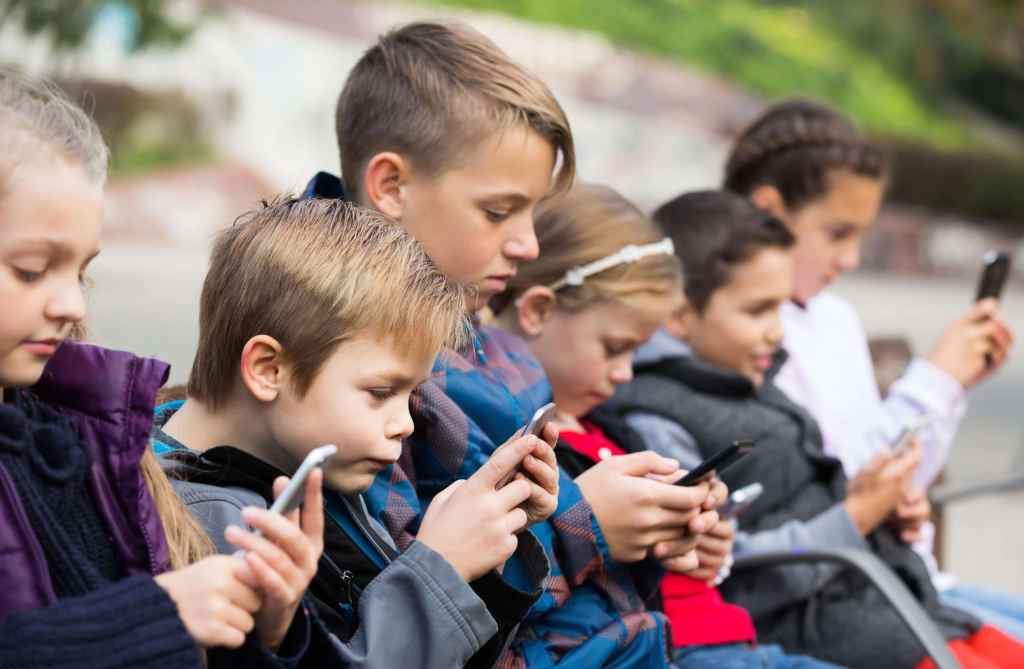
In the past couple of decades, the world has experienced a digital revolution that has fundamentally transformed how we communicate, learn, work, and live. From smartphones to social media, from e-learning platforms to telecommuting, technology has undeniably brought countless benefits to our lives. However, as we become more enveloped in the digital world, we must ask ourselves: Are we losing the human touch?
Technology, intended to connect us, has ironically created a new form of isolation. Our lives are saturated with emails, text messages, video calls, and social media notifications. We are connected to everyone, everywhere, all the time. But despite this connectivity, there’s a growing sense of disconnection. We’ve replaced meaningful, face-to-face interactions with quick, impersonal digital exchanges. Our relationships, both personal and professional, are being mediated through screens, leading to what can be referred to as ‘disconnected connections’.
Our interactions, once rich with non-verbal cues, have been reduced to emojis and GIFs. The depth and complexity of human communication are compromised. Without the context of tone, body language, or facial expressions, our conversations are stripped of emotional nuance. We risk misunderstanding and miscommunication, thereby diminishing the quality of our relationships.
Moreover, technology has created an illusion of companionship without the demands of friendship. We scroll through newsfeeds, like photos, and leave emojis, but these actions lack the emotional fulfillment derived from actual conversations and shared experiences. This ‘pseudo-intimacy’ leaves us feeling lonely and isolated, even when we’re digitally connected to hundreds or thousands of people.
Another concern is the impact of technology on our mental health. The constant onslaught of information and the pressure to be always ‘on’ leads to tech-related stress and anxiety. We’re living in a culture of constant comparison, driven by carefully curated social media feeds that can amplify feelings of inadequacy and unhappiness.
Additionally, our dependence on technology is altering the very fabric of our daily lives. The boundaries between work and personal life are becoming blurred. We’re always reachable, always working—resulting in burnout and a lack of work-life balance.
To reestablish the human touch, we must reassess our relationship with technology. Digital detoxes, where one consciously abstains from using digital devices for a certain period, are gaining popularity. This practice encourages mindfulness and present living, helping us to reconnect with ourselves and our surroundings.
Furthermore, we can promote real-life interactions by setting tech-free zones or times at home and in our workplaces. We should also strive to maintain our relationships through face-to-face interactions, rather than solely relying on digital communication.
Lastly, we should remember that technology is a tool. It should serve us, not the other way around. We need to use it to enhance our lives, not to replace genuine human connection.
In conclusion, while technology has undeniably changed the world for the better, it’s essential to reflect on how it’s affecting our human connections. As we forge ahead in the digital age, let’s not lose sight of the importance of the human touch, the power of a genuine conversation, or the joy of shared experiences. After all, it’s these distinctly human elements that make life truly meaningful.
 Mindful Musings