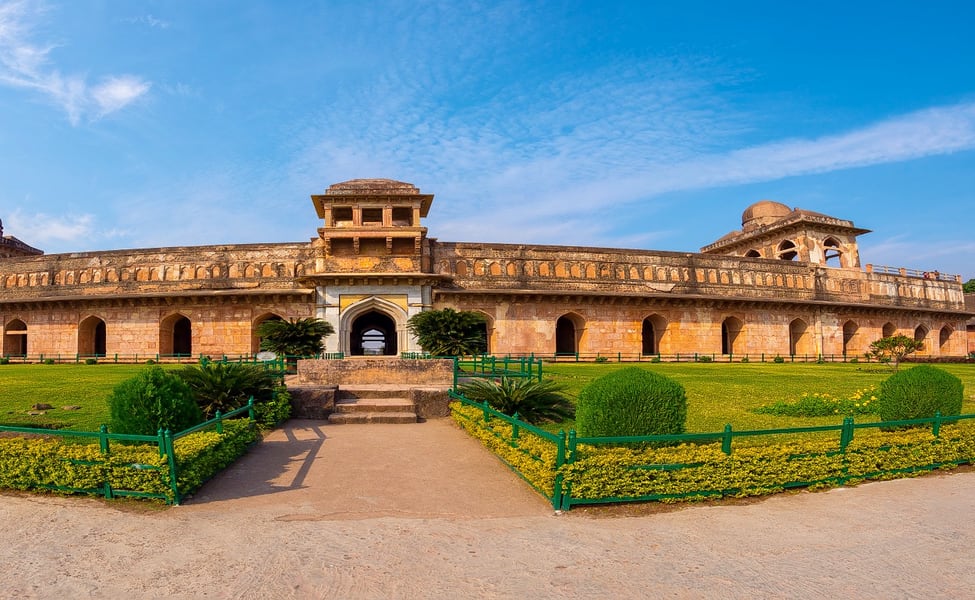
Tucked away in the heart of India, in the state of Madhya Pradesh, Mandu is a mesmerizing gem that is steeped in history and draped in natural beauty. With its rich cultural heritage, ancient monuments, and stunning landscapes, Mandu is truly a heaven for history buffs, nature lovers, and food enthusiasts alike. Mandu, also known as Mandavgarh, is a historic city located in the Dhar district of Madhya Pradesh, India. It is situated at an elevation of 633 meters (2,077 feet) in the Vindhya Range of central India. Mandu is known for its architectural marvels, historical significance, and scenic beauty.
## A Peek into Mandu’s Past
Mandu’s history dates back to as early as the 6th century AD, but it wasn’t until the 10th century that it gained prominence as the fort capital of the Paramara rulers of Malwa. The city flourished under the rule of Hoshang Shah in the 15th century when it was known as “Shadiabad” (the city of joy). It’s during this period that most of the architectural marvels that we see today in Mandu were built.
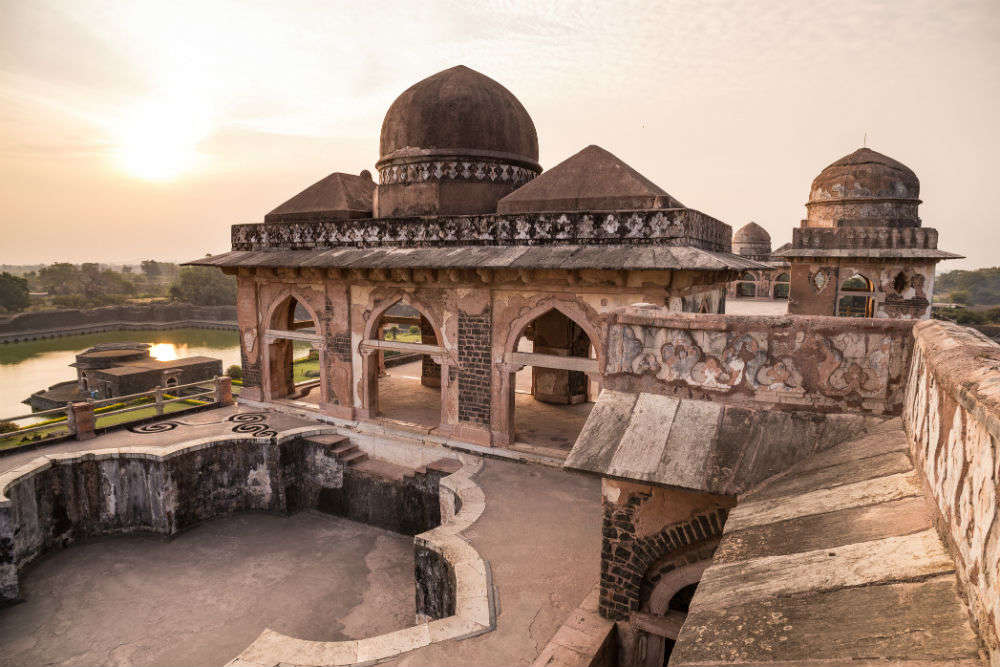
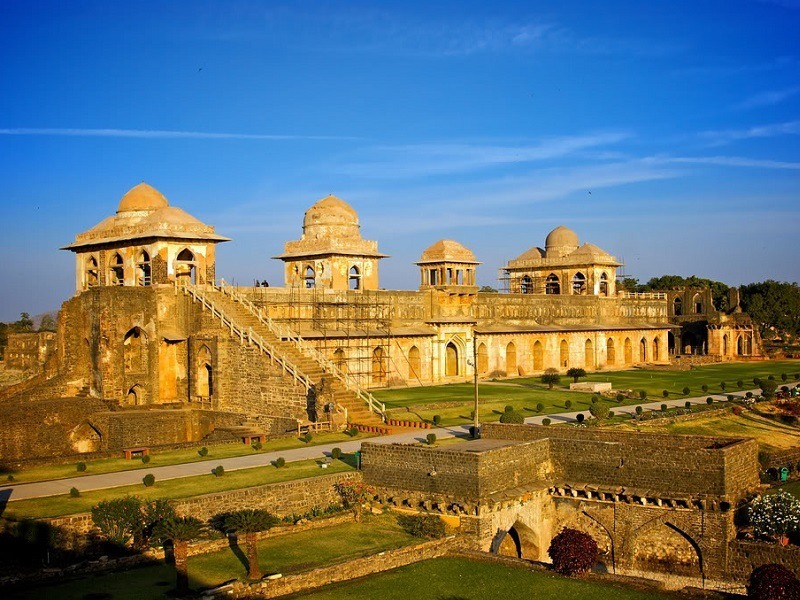
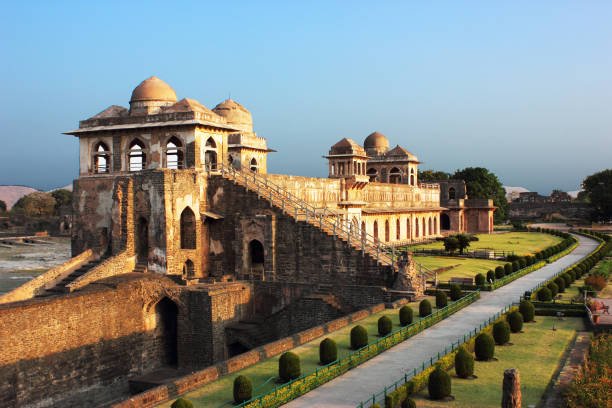
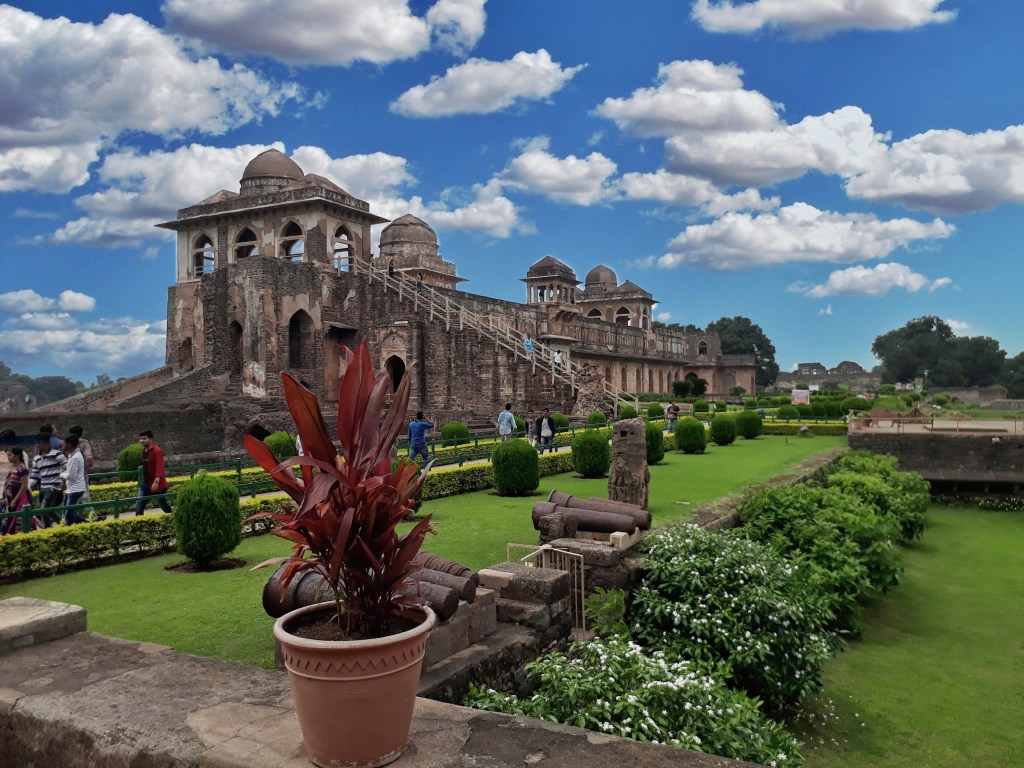
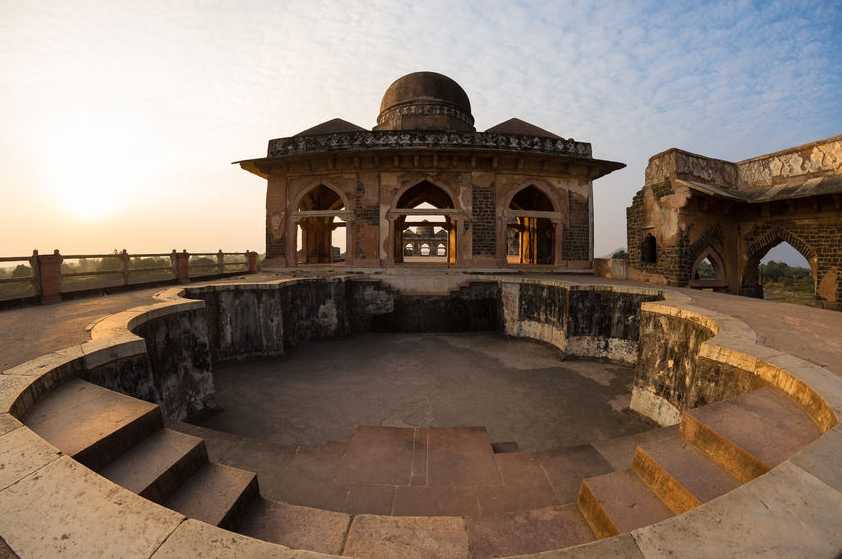
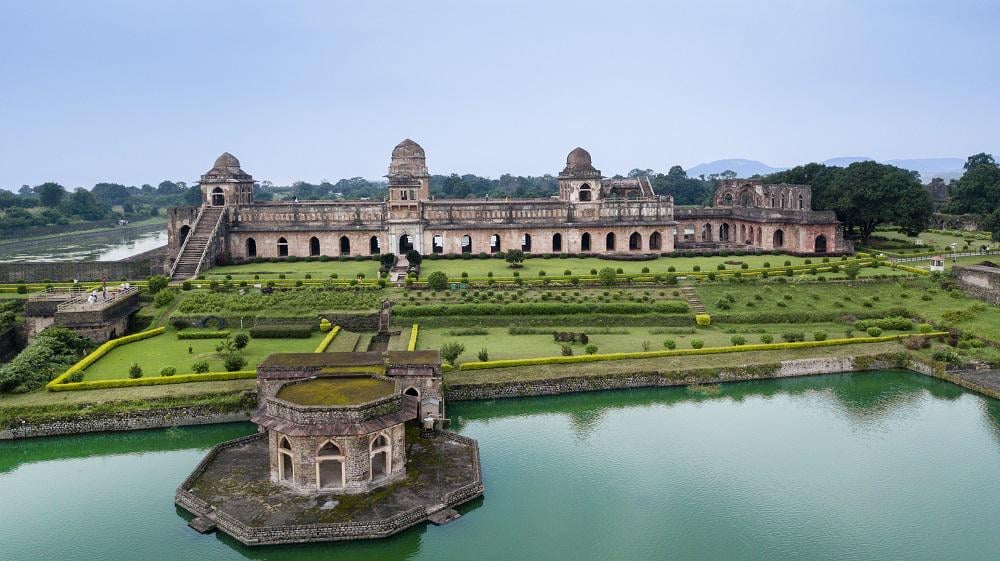
Mandu is famous for its magnificent forts, palaces, and monuments that showcase the architectural brilliance of the past. The most prominent attraction in Mandu is the Mandu Fort, also known as the Shergarh Fort. It is a massive fort complex that encompasses several palaces, mosques, tombs, and other structures. The Jahaz Mahal (Ship Palace), Hindola Mahal (Swing Palace), Roopmati’s Pavilion, and Baz Bahadur’s Palace are some of the notable structures within the fort.
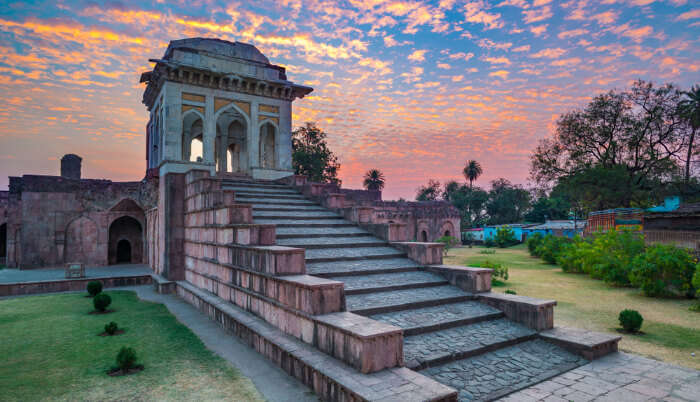
Another significant site in Mandu is the Rani Roopmati Pavilion. It is a beautiful pavilion located on a hill overlooking the Narmada River. According to legends, it was built for Rani Roopmati, the love interest of Baz Bahadur, the ruler of Mandu. The pavilion offers breathtaking views of the surrounding landscapes.
The city also has several other attractions, including the Jami Masjid, Hoshang Shah’s Tomb (considered India’s first marble mausoleum), and the Ashrafi Mahal. Each of these structures exhibits unique architectural styles and historical significance.
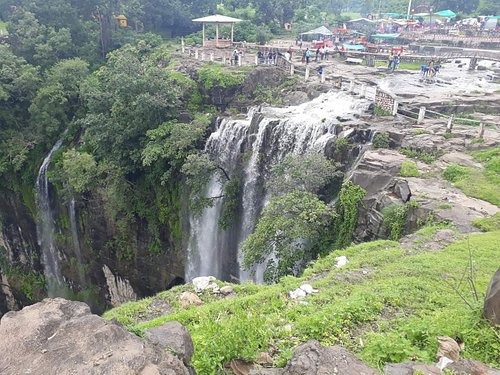
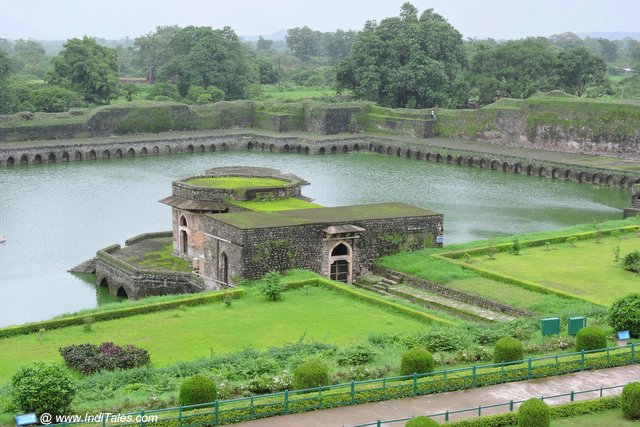
Mandu is also known for its natural beauty, with lush green landscapes, lakes, and water bodies. The monsoon season, from July to September, is particularly beautiful, as the surroundings turn vibrant and picturesque.
## Traveling to Mandu
Mandu is well-connected to major cities in India. The closest airport is in Indore, about 99 kilometers away. From the airport, you can hire a taxi or use public transport to reach Mandu. By train, the nearest railway station is Ratlam, about 124 kilometers away.
If you prefer road journeys, the drive to Mandu through the lush landscapes of Madhya Pradesh is a delightful experience. Regular bus services are also available from Indore, Dhar, Ratlam, and other nearby cities.
## A Place to Rest: Accommodations in Mandu
Mandu offers a range of accommodations to cater to different budget needs. For a luxury stay, you may want to check out the Jahaz Mahal Hotel, which offers top-notch facilities with a view of the historic Jahaz Mahal. For budget travelers, Malwa Resort run by MP Tourism is a great option. It provides decent facilities at reasonable rates. There are also several guest houses and homestays that offer a more intimate experience of Mandu’s local life.
## Feast for the Eyes: Sightseeing in Mandu
The city of Mandu is a treasure trove of architectural marvels. Jahaz Mahal, a ship-like palace built between two artificial lakes, is a must-visit. The Hindola Mahal, or the Swing Palace, is another architectural wonder known for its unique sloping walls.
The Hoshang Shah’s Tomb, India’s first marble structure, is a beautiful example of Afghan architecture. The Jami Masjid, inspired by the great mosque of Damascus, is another iconic structure that reflects the architectural prowess of Mandu’s erstwhile rulers.
Don’t miss the Rupmati’s Pavilion, a sandstone structure perched on the edge of a hill, offering a breathtaking view of the Narmada river flowing through the Nimar plains.
## A Treat for the Palate: Food in Mandu
Mandu’s cuisine is a delightful mix of Malwi and Mughlai flavors. The local street food is a must-try. ‘Bhutte ka kees’, a dish made from grated corn cooked in milk and spices, and ‘Poha’, a popular breakfast dish, are some of the local delicacies you should not miss.
For a more elaborate meal, you can try dal bafla, a wheat dumpling dish served with lentil soup, and Malpua, a sweet pancake, A sweet pancake, Malpua is a delightful dessert that you can find at most local eateries. For non-vegetarians, Mandu offers a variety of kebabs, biryanis, and curries that reflect a strong Mughlai influence. The local restaurants also serve a variety of dishes from Indian and international cuisines to cater to diverse palates.
## Enriching Encounters: Local Culture
Mandu’s culture is as rich and vibrant as its history. The locals celebrate numerous festivals throughout the year, the most significant being Mandu Festival organized by Madhya Pradesh Tourism. Held in monsoon, the festival showcases local arts, crafts, music, dance, and cuisine. The festival also includes adventure sports, nature trails, and heritage walks, offering an immersive experience of Mandu’s cultural and natural beauty.
You can also explore local markets to buy traditional handicrafts, textiles, and jewelry as souvenirs. Don’t miss the opportunity to interact with the locals who are generally warm and welcoming. Their stories about Mandu’s past will add a unique perspective to your visit.
## The Best Time to Visit Mandu
The best time to visit Mandu is during the monsoon (from July to September) when the weather is pleasant, and the lush greenery adds to the beauty of the place. The architectural marvels of Mandu against the backdrop of monsoon clouds make for an enchanting sight. The winter months (from October to March) are also a good time to visit as the weather is cool and comfortable for sightseeing.
## Wrapping Up
A visit to Mandu is like stepping into a time machine that takes you through a fascinating journey of history and culture. From architectural wonders that speak volumes about India’s rich heritage, scenic landscapes that soothe the soul, to the tantalizing local cuisine that delights the palate – Mandu has something for everyone. So pack your bags, set your spirit free, and embark on an unforgettable journey to this enchanting city of joy.





 Mindful Musings