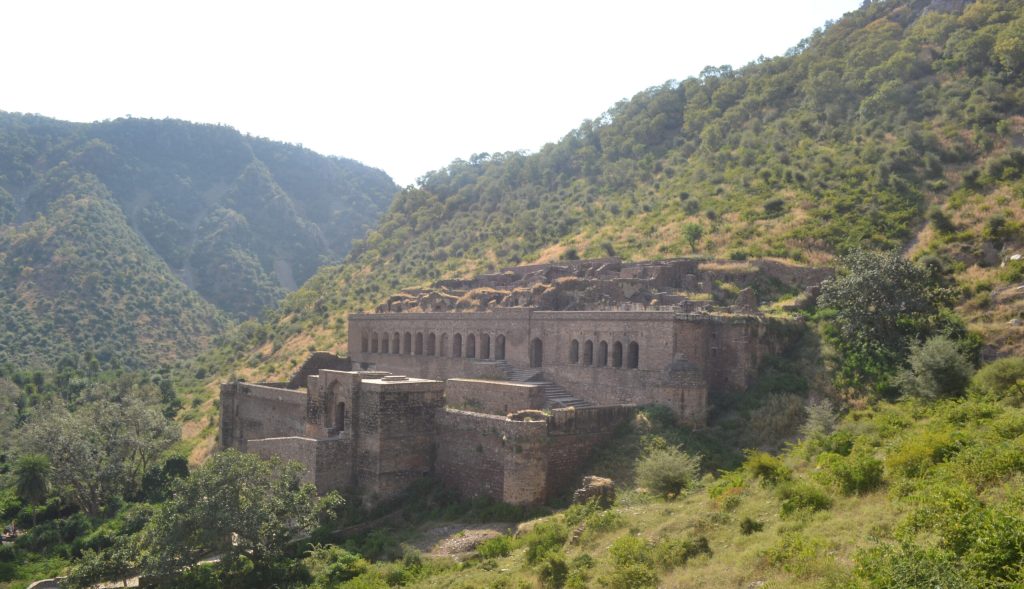
The allure of mysteries and legends never fails to captivate the human spirit. My journey a few years back to Bhangarh, a historical town in Rajasthan’s Alwar district, was a testament to this fact. This place, often called the ‘most haunted’ site in India, offered an intriguing blend of history, folklore, and architectural beauty.
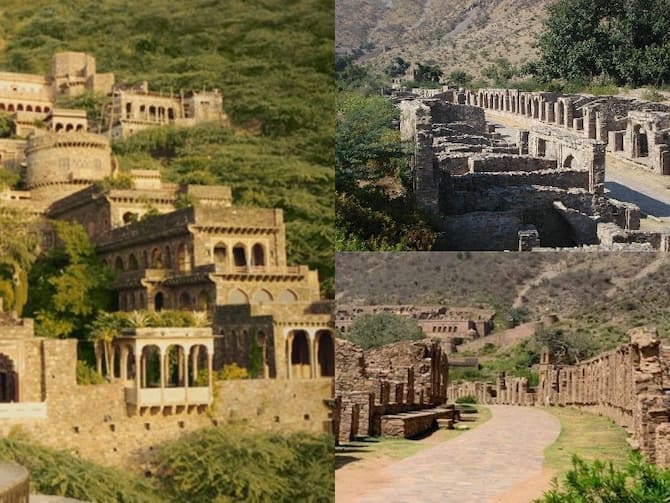
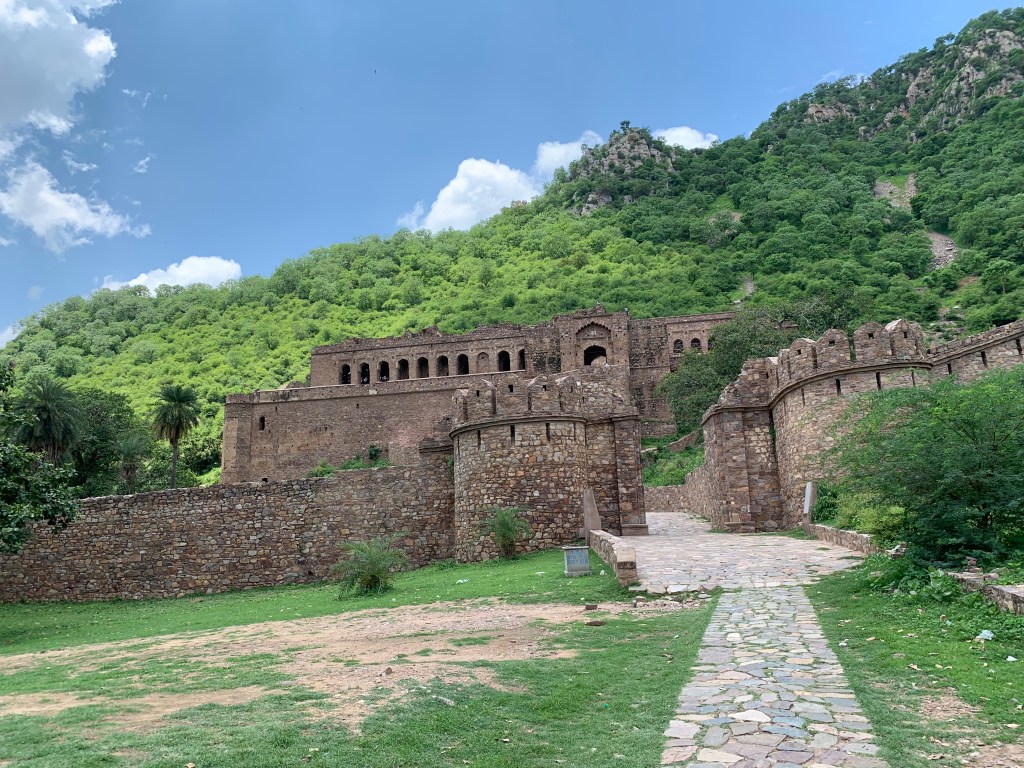
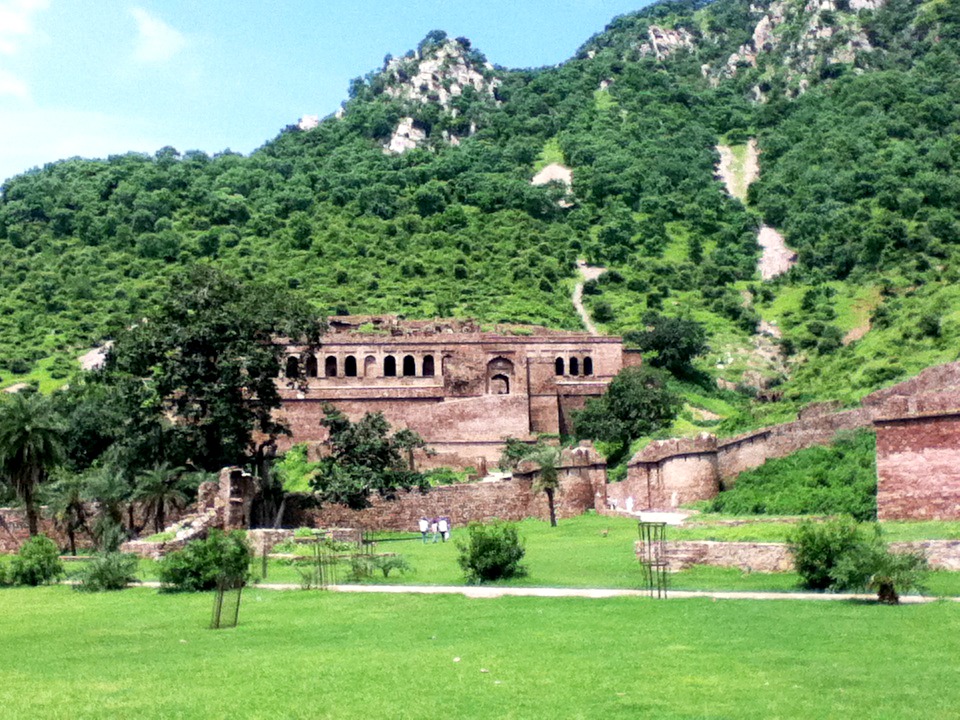
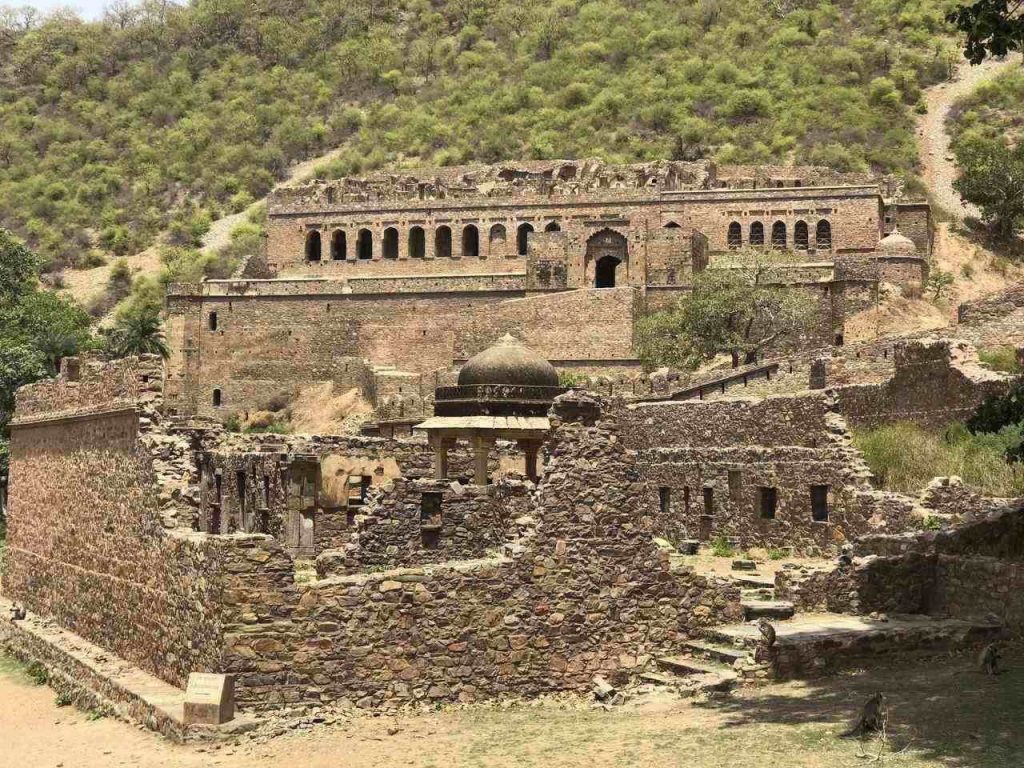
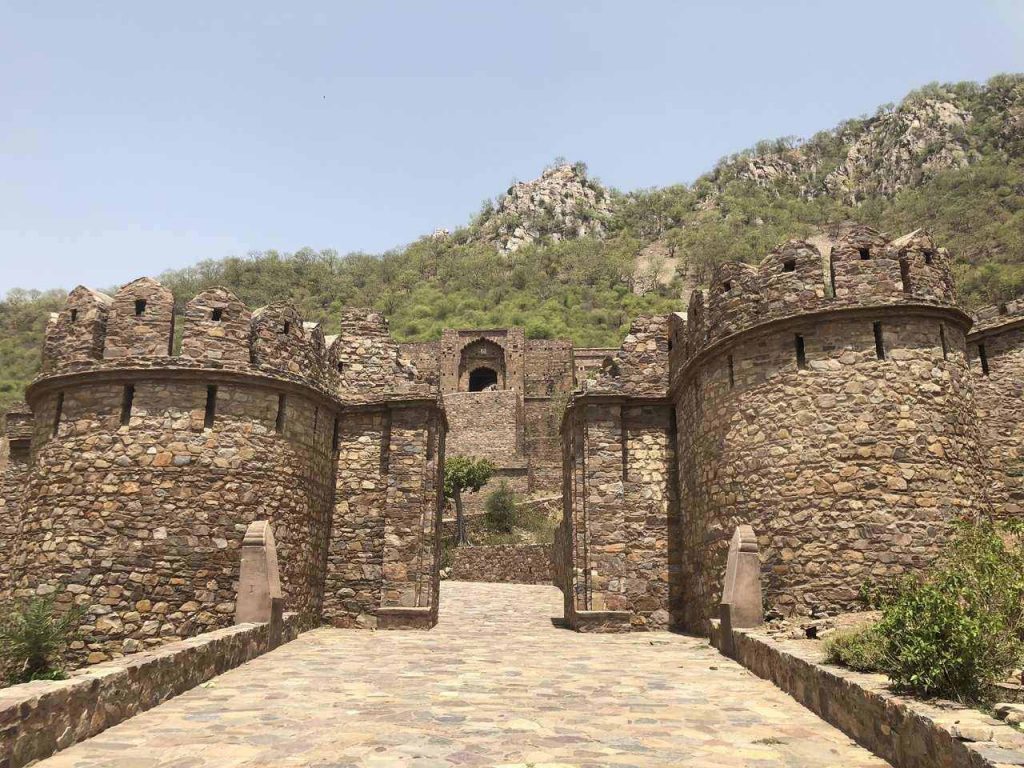
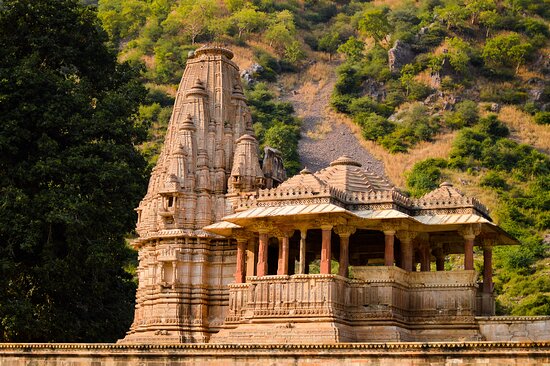
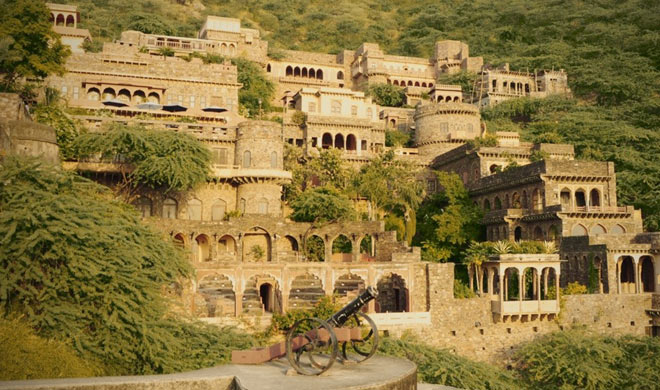
Bhangarh Fort, the main attraction in Bhangarh, was built in the 17th century by Raja Bhagwant Das. It is a magnificent architectural marvel and is surrounded by hills and forests. The fort complex includes temples, palaces, havelis (mansions), and several other structures.
Legend has it that Bhangarh Fort became cursed after a tantrik (occult practitioner) placed a curse on the fort and its inhabitants. It is believed that anyone who stays in the fort after sunset will never return. Due to these beliefs and stories of paranormal activities, the Archaeological Survey of India has prohibited entry into the fort premises after sunset.
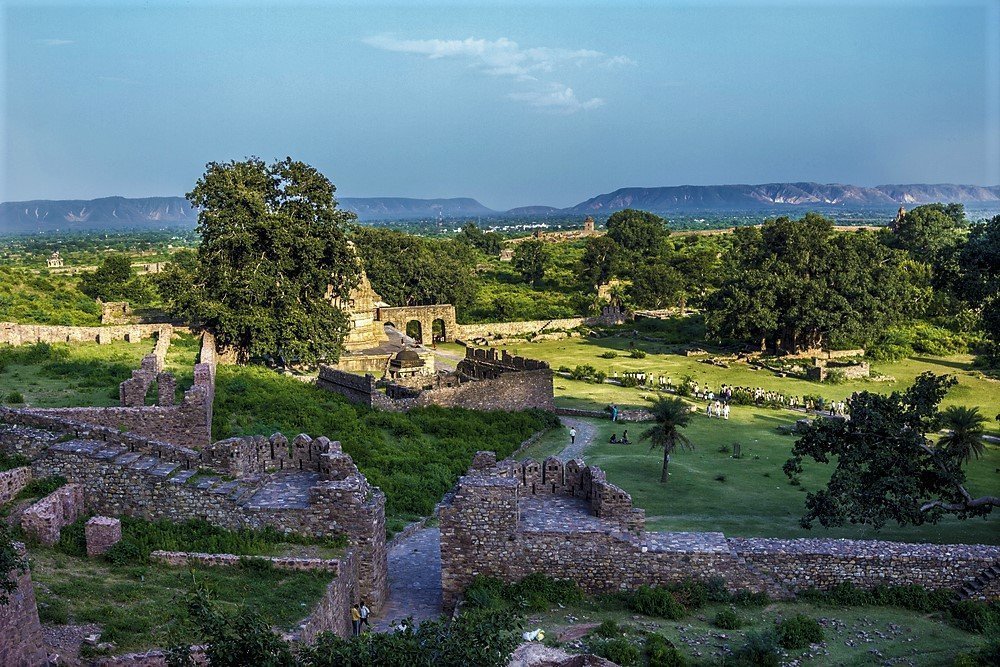
Despite the haunted reputation, Bhangarh Fort is a popular tourist destination during the daytime. Visitors can explore the ruins, walk through the narrow lanes, and admire the intricate architecture. The fort offers panoramic views of the surrounding landscape, making it a treat for photographers and history enthusiasts.
Getting There:
Bhangarh is around 85 kilometers from Jaipur, the capital city of Rajasthan. I took a flight to Jaipur International Airport and then embarked on a thrilling road trip to Bhangarh. Alternatively, the nearest railway station is Dausa, around 22 kilometers from Bhangarh.
Accommodation:
While there are no hotels or resorts within Bhangarh due to the town’s eerie reputation, nearby cities like Alwar and Dausa offer a range of accommodations. I stayed at a heritage hotel in Alwar, which was approximately an hour’s drive from Bhangarh.
Sightseeing and Activities:
Bhangarh Fort was naturally the highlight of my trip. The fort complex is a sprawling entity of temples, palaces, and havelis, all in ruins yet visually stunning. The site is well-maintained, and the Archeological Survey of India (ASI) has put up boards detailing the history and architecture of the buildings.
The fort’s architecture, with its domes, gateways, and balustrades, is a testament to the grandeur of the bygone era. The picturesque backdrop of the Aravali Hills adds to the fort’s haunting beauty. I was particularly intrigued by the legends associated with the fort. The tales of curses and ghosts that supposedly haunt the fort compound after sunset added a mystic charm to the visit.
Best Time to Visit:
The best time to visit Bhangarh is during the winter months (November to February) when the temperature is pleasant for exploration. Summers in Rajasthan can be quite harsh, with temperatures soaring above 40 degrees Celsius.
Cuisine:
Rajasthan’s rich and diverse culinary heritage is a treat for food lovers. From the spicy Dal Baati Churma and Gatte ki Sabzi to the sweet Ghewar and Ghevar, the local cuisine is a gastronomic delight. I also enjoyed the traditional Rajasthani Thali, which provided a taste of the local cuisine’s variety and richness.
In Retrospect, my trip to Bhangarh was an enriching experience, a plunge into a world where history and mystery intertwine. While the fort’s lore can send a chill down your spine, the beautiful architecture and the serene surroundings make it a must-visit place for history buffs and thrill-seekers.
So, if you’re ready for a unique adventure, pack your bags for Bhangarh! Just remember to respect the local customs and beliefs, and of course, leave the fort premises before sunset, as per ASI rules. After all, it’s not every day that you get to explore a ‘haunted’ fort!
 Mindful Musings