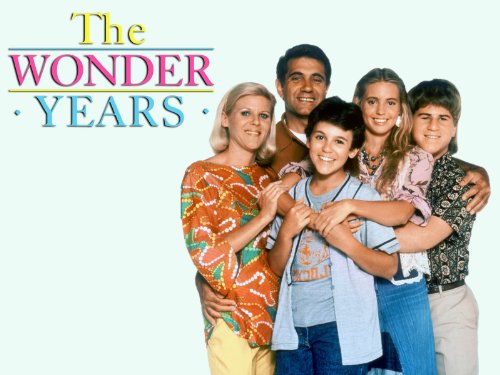
Decades since its original airing, “The Wonder Years” continues to hold a special place in the hearts of those who first experienced it and those who’ve discovered it more recently. The show, with its blend of nostalgia, coming-of-age struggles, and timeless themes, continues to be a compelling piece of television history.
“The Wonder Years” first graced our television screens from 1988 to 1993, providing a unique perspective on the culture and norms of the late 60s and early 70s. The show’s premise was simple yet profound: it was about an adolescent boy, Kevin Arnold, growing up in a suburban neighborhood during an era marked by social change and upheaval.
The show’s charm lies in its heartwarming and often amusing portrayal of suburban family life, seen through the eyes of a young boy just starting to explore the world. The narrative, delivered by an older and wiser Kevin (voiced by Daniel Stern), added layers of depth and perspective to the experiences of the young protagonist played by Fred Savage.
“The Wonder Years” was a show that managed to capture the essence of adolescence in a way that was relatable across generations. Kevin’s trials and tribulations with friends, his first love, his evolving relationship with his parents, and his navigation through the awkwardness of puberty are experiences that are universally recognized. The show had a knack for delving into these moments with a mix of humor, sensitivity, and a pinch of wisdom that made it a standout in its genre.
One of the show’s standout elements, however, was its handling of the era’s social and political context. The backdrop of the late 60s and early 70s was more than just a setting; it was a character in its own right, influencing the characters and their storylines. The show didn’t shy away from addressing significant historical events, such as the Vietnam War, the Apollo moon landing, and the Civil Rights Movement, intertwining these with the personal narratives of the characters.
“The Wonder Years” was also notable for its character development. Kevin, his best friend Paul, his love interest Winnie, and his family all grew and changed over the series’ run, creating a dynamic narrative that kept audiences engaged. The relationships between the characters were both complex and genuine, contributing significantly to the show’s enduring appeal.
The show’s soundtrack, filled with iconic music of the period, added another layer of authenticity, helping to transport viewers back to that distinctive era. The opening theme song, Joe Cocker’s rendition of “With a Little Help from My Friends,” remains synonymous with the series and instantly evokes a sense of nostalgia.
“The Wonder Years” was a groundbreaking series in many ways, offering a realistic glimpse into a turbulent era while exploring timeless themes of growing up. Its mix of humor, drama, and historical context set it apart from other shows of its time and made it a classic in television history.
Today, “The Wonder Years” continues to be celebrated for its ability to evoke the bittersweet nostalgia of childhood and adolescence. It’s a testament to the show’s quality and enduring relevance that it continues to resonate with audiences, even decades after its original airing.
In the age of streaming platforms and endless viewing options, “The Wonder Years” stands out as a testament to the power of storytelling that transcends time. It’s a reminder of the simplicity, complexity, and universal nature of growing up, set against the backdrop of a rapidly changing world.
Beyond the laughs, tears, and life lessons, “The Wonder Years” introduced characters that felt like friends and family. Kevin’s parents, Jack and Norma, delivered honest and sometimes heartbreaking portrayals of parenthood and marriage. Kevin’s rebellious older sister, Karen, and his hard-headed older brother, Wayne, added further dimensions to the Arnold family dynamic.
The Arnold’s neighbors and Kevin’s schoolmates, too, were instrumental in shaping the series. Each character contributed to the tapestry of the show, whether it was Kevin’s nerdy best friend Paul Pfeiffer, his on-and-off sweetheart Winnie Cooper, or the intimidating yet lovable gym teacher Coach Cutlip. These characters, with their unique quirks and personal journeys, remain etched in viewers’ memories.
“The Wonder Years” also brought a cinematic quality to television, with its thoughtful cinematography and attention to period details. The creators went to great lengths to ensure the show’s setting accurately reflected the era, from the clothes and cars to the home interiors and neighborhood landscapes.
The magic of “The Wonder Years” also lies in its ability to juggle comedy and drama, often within the same episode or even the same scene. The show was never afraid to tackle serious topics, from the death of a loved one to the harsh realities of war. These heavier moments were always balanced with lighter, more humorous scenes, creating a sense of realism that made the series feel genuine and relatable.
Finally, it’s important to note the impact “The Wonder Years” had on the television landscape. Its unique format, combining a period setting with a coming-of-age narrative, influenced many shows that followed. It pushed the boundaries of what a television show could be and opened the door for other series to explore similar themes and concepts.
Whether you’re a long-time fan revisiting the series or a newcomer experiencing it for the first time, “The Wonder Years” continues to deliver a viewing experience that’s filled with warmth, nostalgia, and a deep sense of humanity. It’s a heartfelt reminder of the highs and lows of growing up, and the enduring power of family, friendship, and first love. In the world of television, “The Wonder Years” is truly a wonder unto itself.
 Mindful Musings