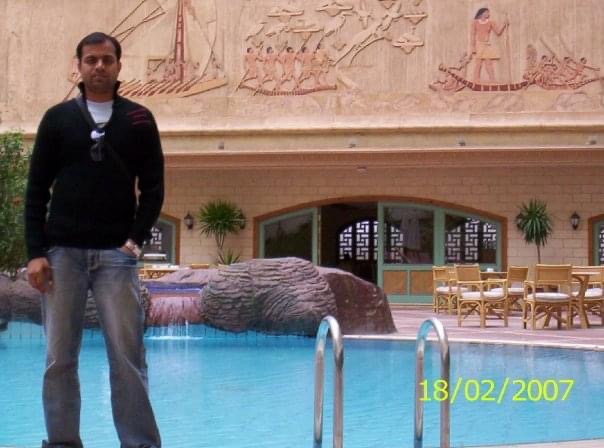
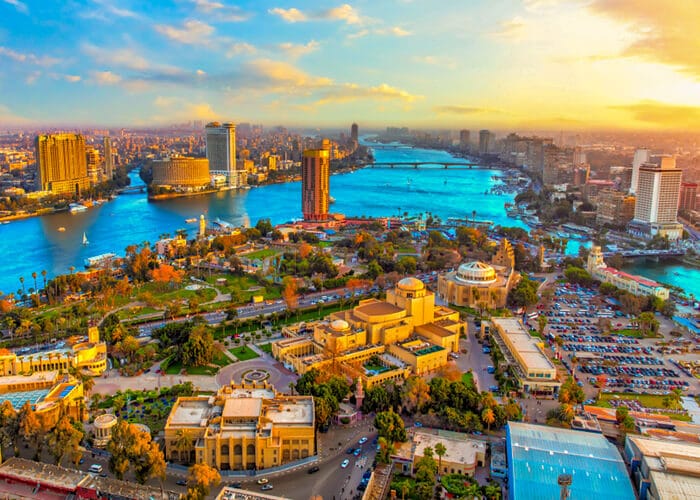
In early 2007, I embarked on a remarkable journey from the bustling metropolis of Mumbai to the mesmerizing land of Pyramids, Cairo, Egypt. The echo of ancient civilizations, the stunning landscapes, and the warmth of the people will forever reverberate in my heart. Here, I share my experience, hoping to inspire and guide those who wish to follow in my footsteps.
## Journey and Arrival
My journey began on a late February morning, considered one of the best times to visit Egypt. The flight from Mumbai to Cairo takes approximately 9 hours, including a short layover. I chose EgyptAir for the trip; they offer a comfortable journey with the added advantage of in-flight meals that cater to Indian tastes. The flight itself was smooth, and the cabin crew provided excellent service.
Upon landing at Cairo International Airport, I was embraced by a cool, gentle breeze, a pleasant change from Mumbai’s tropical climate. The airport, being one of the busiest in Africa, was bustling yet efficiently managed. The immigration and customs process was relatively quick and hassle-free. I had arranged a pick-up through my hotel, which was a convenient option. As I stepped out of the airport, I was instantly captivated by the vibrant energy and the rich cultural tapestry of Cairo.
## Accommodation
I had booked my stay at the Ramses Hilton, a renowned hotel located on the banks of the River Nile. The hotel offered stunning views of the river and the iconic Cairo skyline. The rooms were spacious, elegantly furnished, and equipped with modern amenities. The staff was friendly and welcoming, ensuring a comfortable and memorable stay. The hotel also had multiple dining options, including restaurants specializing in Egyptian and international cuisine.
## Sightseeing and Tourist Spots
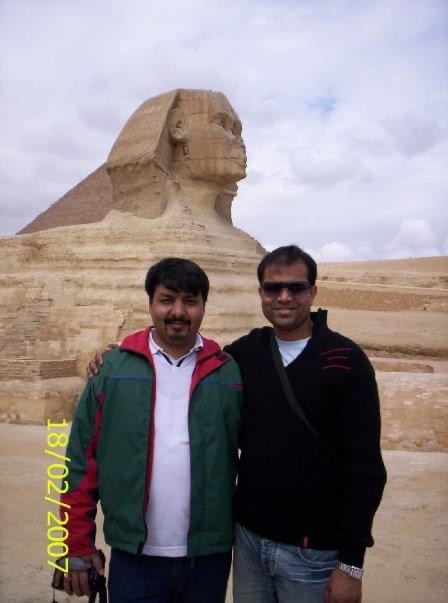
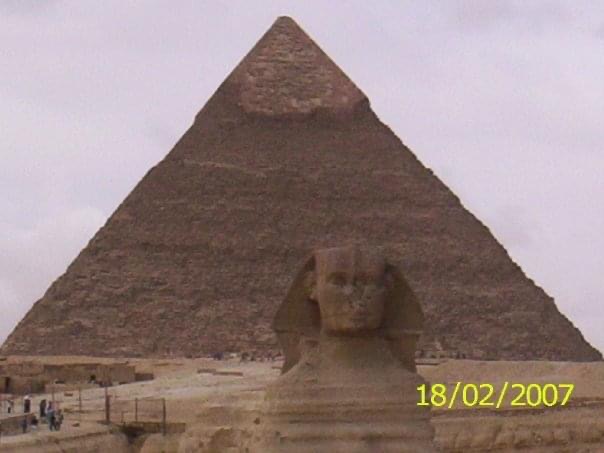
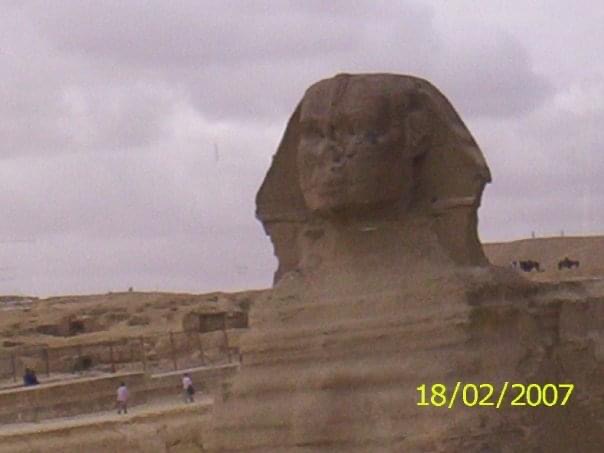
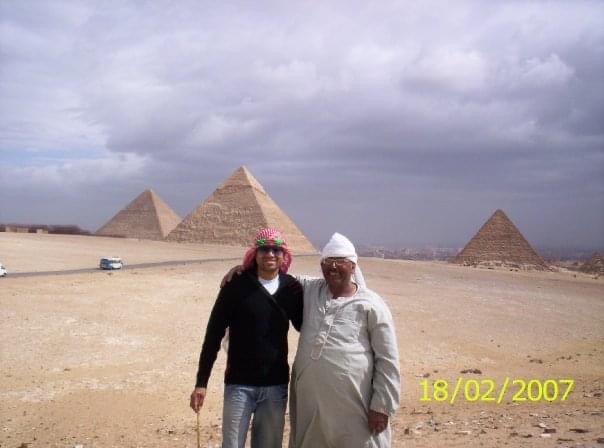
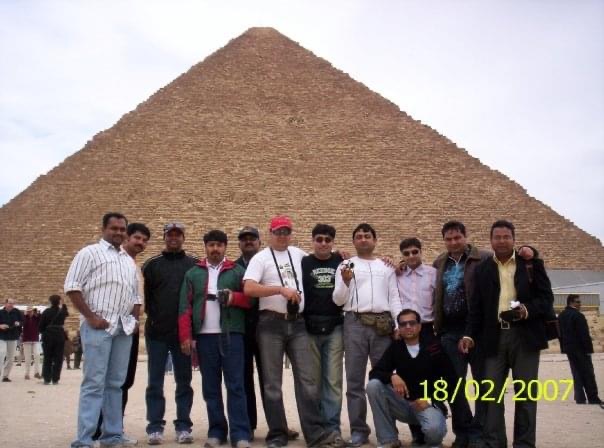
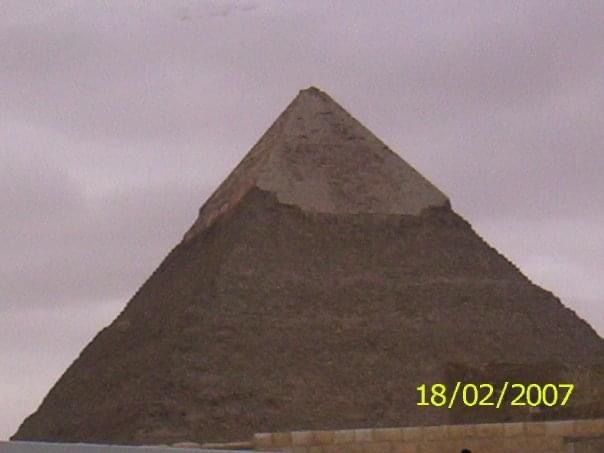
The city of Cairo is a treasure trove of ancient history and modern charm. My first stop was the legendary Pyramids of Giza, including the Great Pyramid of Khufu, the Pyramid of Khafre, and the Pyramid of Menkaure. Standing tall against the backdrop of the golden desert, these architectural marvels are a testament to the ingenuity and craftsmanship of the ancient Egyptians. The Sphinx, with its human head and lion body, was equally awe-inspiring. Standing before these colossal structures, one can’t help but feel humbled by the grandeur of ancient civilizations.
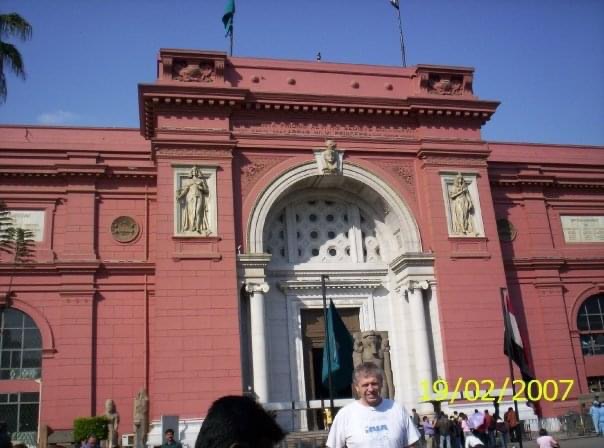
Next, I visited the Egyptian Museum in Tahrir Square, the largest collection of ancient Egyptian artifacts in the world. The museum houses over 120,000 artifacts, including the treasures of Tutankhamun and an impressive array of mummies. It was a truly immersive experience, walking through the halls and witnessing the remnants of a civilization that thrived thousands of years ago.
A visit to Cairo wouldn’t be complete without exploring the Khan El Khalili Bazaar. Located in the heart of Islamic Cairo, this historic market is a sensory delight. Its maze-like alleys are filled with shops selling spices, perfumes, jewelry, textiles, and souvenirs. The vibrant atmosphere, steeped in rich history, is truly captivating. I spent hours wandering through the bazaar, haggling with shopkeepers, and immersing myself in the vibrant tapestry of colors and scents.
## Best Time to Travel
Late winter and early spring, from February to April, are considered the best times to visit Cairo. The weather during these months is relatively mild and pleasant, making it ideal for sightseeing and outdoor activities. This was also the time I chose for my visit, and the cool February breezes provided a welcome respite from the tropical heat of Mumbai.
## Cuisine
Egyptian cuisine, with its Mediterranean influences, was a delight to explore. Local dishes are flavoured with a unique blend of herbs and spices, offering something for every palate. I particularly enjoyed Ful Medames, a delicious dish of cooked and mashed fava beans served with olive oil, garlic, and lemon juice. Traditionally eaten for breakfast, this hearty meal was a great start to my day.
Another dish that captivated my taste buds was Kushari, a mix of pasta, rice, lentils, and tomato sauce, topped with fried onions. Considered Egypt’s national dish, Kushari is a street food staple that offers a burst of flavors and textures. For the more adventurous, there’s Molokhia, a traditional soup made from jute leaves, chicken, and copious amounts of garlic. This leafy green soup has a unique, slightly slimy texture but is incredibly delicious and nutritious.
The Egyptian sweets also deserve a mention. I tried various traditional desserts, with Baklava and Basbousa being my favorites. Baklava, a rich, sweet pastry made of layers of filo filled with chopped nuts and sweetened with syrup or honey, was a delightful indulgence. Basbousa, a sweet cake made from semolina soaked in simple syrup and typically topped with almonds, was equally delicious and provided the perfect end to my meals.
## Departure
After a week-long journey filled with unforgettable experiences, it was time to say goodbye to Cairo. I left with a suitcase full of souvenirs, including traditional Egyptian crafts, spices from the Khan El Khalili Bazaar, and replicas of ancient Egyptian artifacts, all of which serve as reminders of my wonderful trip. More importantly, I left with a heart full of memories and a deep appreciation for Egypt’s rich cultural heritage.
Egypt, with its intriguing blend of the ancient and modern, is a destination like no other. Whether you’re a history buff, a foodie, or just an intrepid traveler, Cairo has something for everyone. The city is a living museum, a vibrant blend of the past and the present, a place where every corner has a story to tell. So, pack your bags, book your tickets, and set off on your own Egyptian adventure. The land of the Pharaohs awaits you.